Introduction
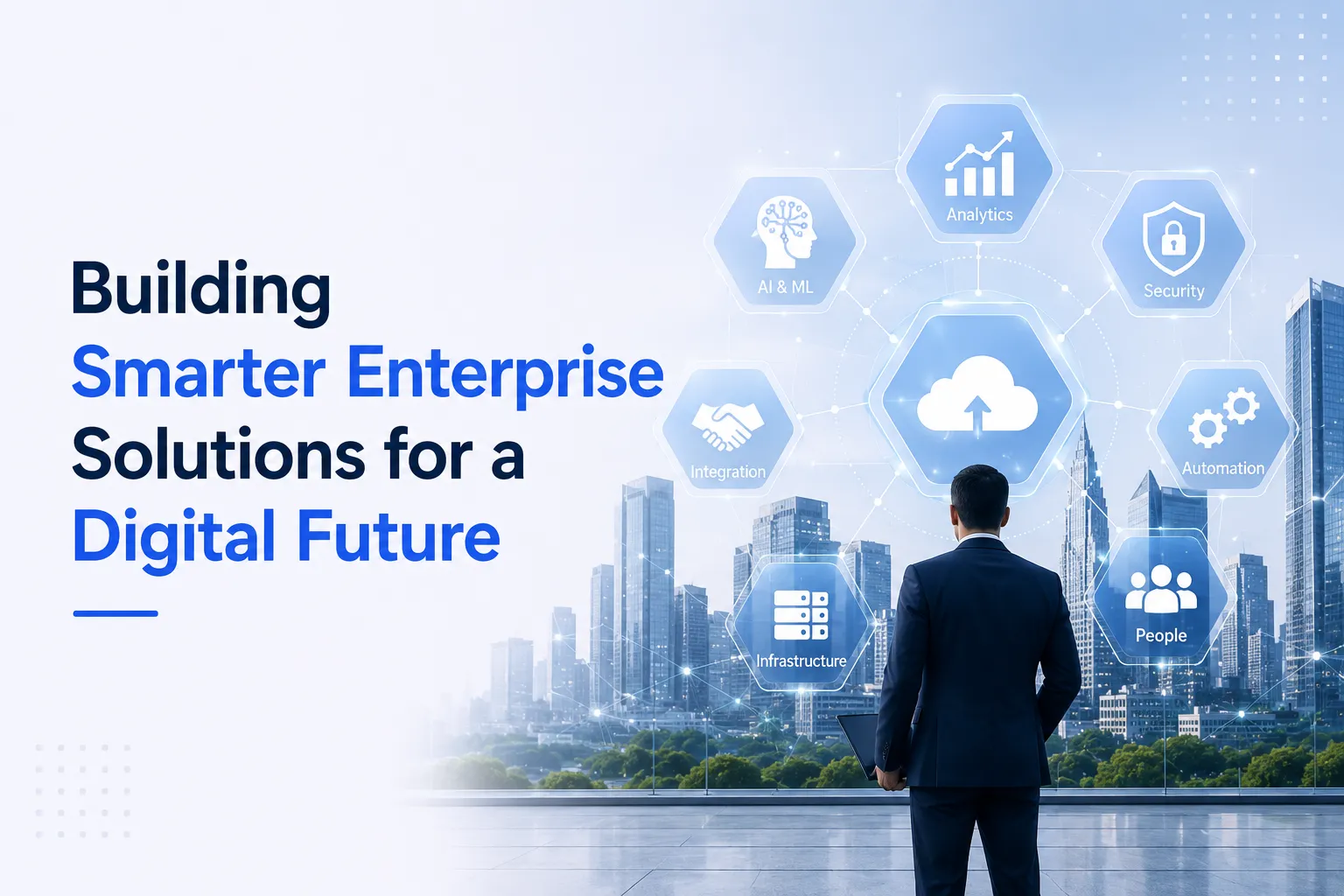
In today's rapidly evolving business landscape, organizations need more than isolated software applications—they need integrated enterprise solutions that connect people, processes, and data across the entire organization. Smarter enterprise solutions break down silos, automate workflows, and provide the visibility needed to make better decisions.
This article explores the key components of modern enterprise solutions, the benefits of integration, and the architectural considerations for building systems that drive long-term business growth.
What Are Enterprise Solutions?
Enterprise solutions are comprehensive software systems designed to support the complex, end-to-end operations of large organizations. Unlike standalone applications that address a single function, enterprise solutions integrate multiple business processes—from finance and human resources to supply chain and customer relationship management—into a unified platform.
These systems provide a single source of truth, enabling organizations to make data-driven decisions, automate workflows, and respond quickly to changing market conditions.
Key Components of Modern Enterprise Solutions
Today's enterprise solutions are built on a foundation of modular, interconnected components:
1. Enterprise Resource Planning (ERP)
Integrates finance, HR, procurement, and operations into a single, unified system that provides real-time visibility across the organization.
2. Customer Relationship Management (CRM)
Manages customer interactions, sales pipelines, and service operations to improve customer satisfaction and retention.
3. Supply Chain Management (SCM)
Optimizes the flow of goods, information, and finances across the supply chain—from suppliers to customers.
4. Business Intelligence & Analytics
Transforms raw data into actionable insights through dashboards, reporting, and predictive analytics.
Benefits of Integrated Enterprise Solutions
Organizations that implement integrated enterprise solutions realize significant benefits:
- Improved Efficiency: Automation of manual processes reduces time and eliminates errors.
- Better Decision-Making: Real-time data and analytics enable faster, more informed decisions.
- Enhanced Collaboration: Shared data and workflows break down departmental silos.
- Scalability: Modular architectures allow organizations to add capabilities as they grow.
- Cost Reduction: Streamlined operations and reduced redundancy lower operational costs.
Start with a clear business case: Identify the specific operational challenges you want to address before selecting an enterprise solution. This ensures alignment with business goals and measurable ROI.
Architectural Considerations
Building modern enterprise solutions requires a thoughtful approach to architecture:
Modular Design
Enterprise solutions should be built as a collection of loosely coupled modules that can be implemented, upgraded, and scaled independently. This approach reduces risk and allows organizations to adopt capabilities incrementally.
API-First Strategy
APIs enable seamless integration between enterprise modules and external systems. An API-first approach ensures that data can flow freely between applications, partners, and customers.
Cloud-Native Architecture
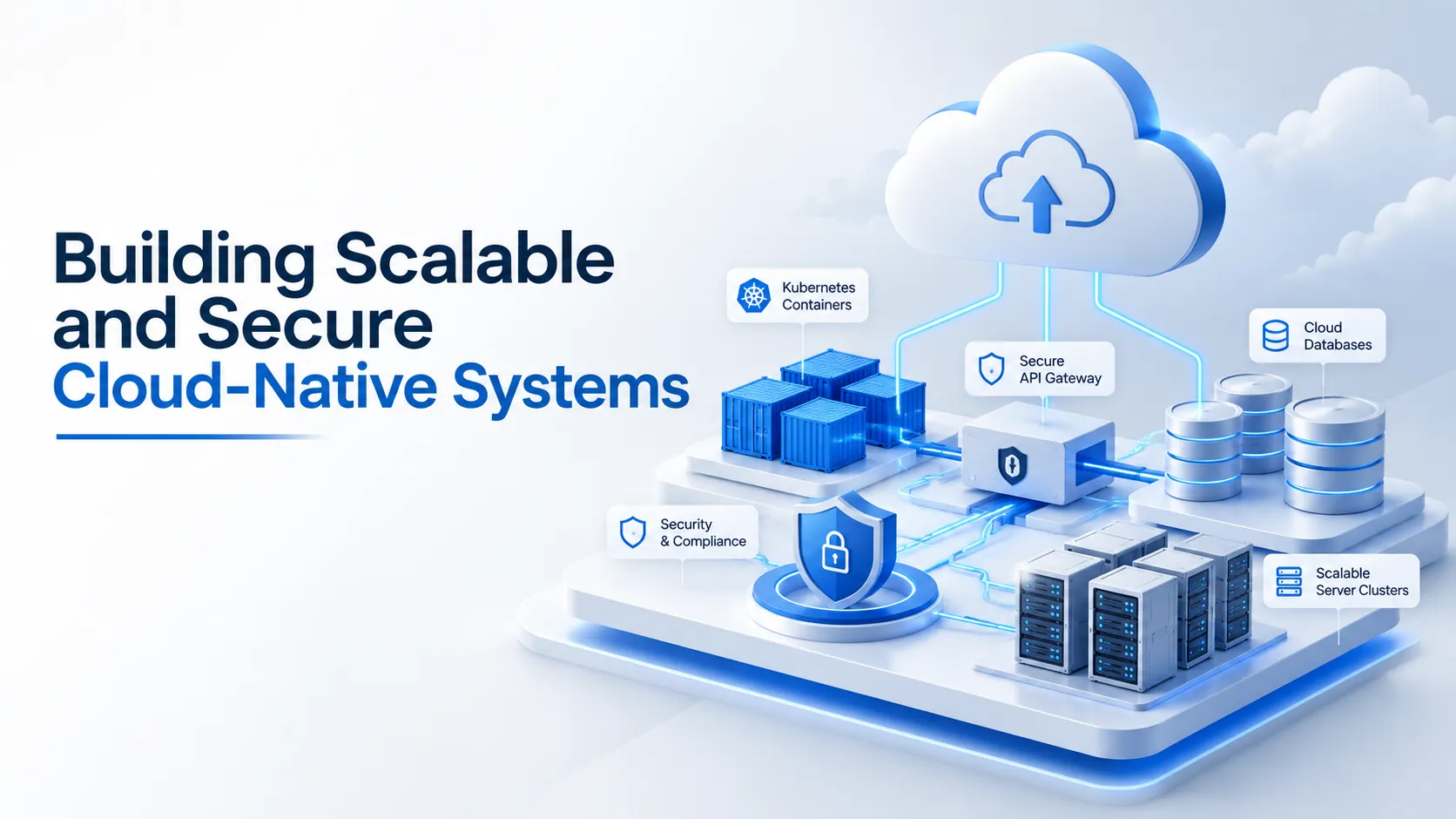
Cloud-native enterprise solutions leverage containers, microservices, and serverless computing to achieve scalability, resilience, and cost-efficiency.
Data Integration
Data integration is the foundation of any enterprise solution. Organizations must establish data governance, master data management, and data quality processes to ensure a single source of truth.
Common Implementation Challenges
Implementing enterprise solutions comes with challenges that organizations must anticipate:
- Change Management: Users may resist new systems and processes. Effective training and communication are essential.
- Data Migration: Moving data from legacy systems is complex and must be carefully planned.
- Integration Complexity: Connecting enterprise solutions with existing systems requires technical expertise.
- Customization: Balancing customization with standard functionality is critical to avoid maintenance overhead.
Avoid over-customization: Excessive customization increases implementation time, cost, and maintenance complexity. Prioritize core business requirements first.
Case Study: Financial Services Transformation
A regional financial services firm implemented an integrated enterprise solution to replace multiple legacy systems. The result was a unified platform that improved efficiency, customer service, and compliance.
By consolidating multiple legacy systems into a single, integrated enterprise platform, the firm reduced manual data entry by 60% and improved compliance reporting accuracy by over 95%.
Future Trends in Enterprise Solutions
The evolution of enterprise solutions is driven by emerging technologies:
- AI-Enhanced Processes: Intelligent automation and machine learning are embedded into core enterprise functions.
- Composable Architecture: Organizations assemble enterprise solutions from interchangeable business capabilities.
- Low-Code Platforms: Business users can configure and extend enterprise solutions without deep technical expertise.
- Industry-Specific Solutions: Vertical-specific enterprise solutions address unique regulatory and operational requirements.
Conclusion
Smarter enterprise solutions are essential for organizations that want to compete in the digital economy. By connecting people, processes, and data, these systems enable better decisions, faster operations, and sustainable growth.
At Insoft, we help organizations design and implement enterprise solutions that are tailored to their unique business needs. Our approach combines deep industry knowledge with technical expertise to deliver measurable results.
“Enterprise solutions are not just about technology—they are about enabling people and processes to work together more effectively.”